
Noisy Garage Door Repair in Greer, SC
If your garage door has started squeaking, grinding, rattling, or shaking when it moves, the system is usually wearing down somewhere. Greer Garage Doors provides noisy garage door repair for homes across Greer, diagnosing the cause and restoring smooth, reliable operation before the problem spreads to other parts of the system.
When Garage Door Noise Starts Getting Louder and More Frequent
A garage door that starts squeaking, grinding, or rattling is often dismissed as a minor annoyance. In most cases, though, noise is the first sign that parts are wearing out or no longer moving correctly. Left alone, that sound usually turns into added strain across the system.
We often see this after months of regular use, especially in homes where the garage is the main entry. Around areas like Greer Station, older doors paired with newer openers often start showing those mismatches through noise before anything else fails.
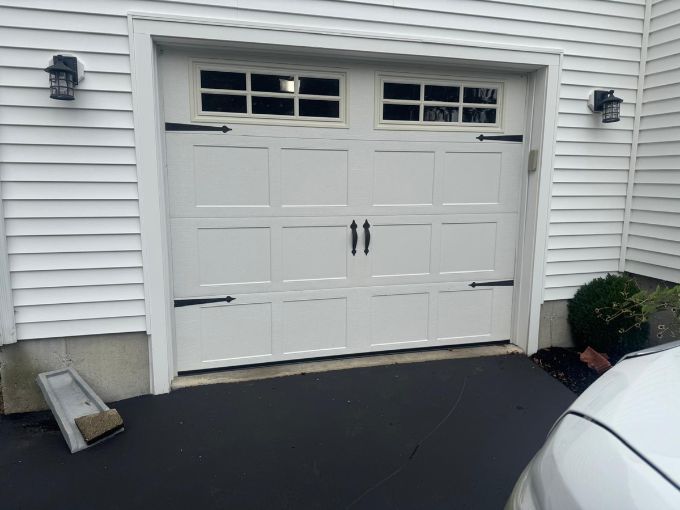
How Wear and Friction Slowly Change the Way a Door Sounds
Garage doors are heavy, and they rely on several moving parts sharing the load evenly.
When everything is lined up and moving freely, the door sounds dull and steady. When wear starts creeping in, the sound changes.
This is one of those problems that looks minor until the door begins fighting itself. Rollers dry out or flatten. Hinges loosen slightly and start shifting under weight. Tracks move just enough to create vibration. Springs lose balance slowly, forcing the opener to compensate.
What happens next is the door still opens and closes, but every movement takes more effort. That extra resistance is what you hear. In humid Upstate conditions, metal parts collect moisture and pollen. Over time, that grit works into joints and bearings, turning a quiet system into a loud one.
Schedule Your garage Door Service Today
At Greer Garage Doors, we provide straightforward, dependable garage door service for homeowners and local businesses throughout Greer and the surrounding Upstate. Whether you need a quick repair, a full replacement, or help with an opener that will not cooperate, our experienced crew shows up ready to fix the problem the right way.
What the Sounds Tell Us and Where We Start Looking

Where the sound is coming from matters
When we’re called out for a noisy garage door, the sound itself tells us where to start. A high pitched squeak points to friction. A grinding sound usually means rollers or bearings are wearing down. Rattling often shows up when tracks or hardware have shifted slightly.

How much resistance the opener is fighting
A noisy garage door often begins moving slower, straining at the start, or hesitating near the top or bottom of its travel. These changes usually point to resistance somewhere in the system. In many cases the opener is not the root problem but is compensating for friction, imbalance, or misalignment elsewhere, and the noise is often the first sign that mechanical wear has started to build.

Which parts are being forced to carry extra load
When rollers wear down, hinges take on more movement, which can cause tracks to shift and place extra strain on springs and cables. Lubrication may quiet the door for a while, but it rarely fixes the real issue. The part carrying the extra load eventually wears out, and the noise usually returns, often louder than before.

Why Garage Door Noise Often Signals a Safety Issue
A loud garage door is not just about sound.
Noise usually comes from friction, imbalance, or shifting hardware, and all three can become safety issues if ignored. What starts as a squeak or grind is often the first sign the system is no longer moving correctly.
When a door drifts out of balance, it stops traveling evenly. One side begins carrying more weight, putting extra strain on springs, cables, and rollers. Doors that sound rough for months can suddenly jerk, bind, or stop mid-cycle.
DIY adjustments often make things worse. Springs and cables operate under heavy tension, and small changes can create bigger problems. When a door starts dropping unevenly or the opener begins straining, repairs are no longer optional.
How Ongoing Noise Turns Into Mechanical Failure
Noise is rarely the final issue. It is usually the first warning.
When rollers wear, hinges take more load. When hinges loosen, tracks start shifting. When tracks move, springs fatigue faster. When springs lose balance, the opener absorbs the stress. Each step adds cost and complexity.
We usually see this progression in garages that open multiple times a day. In neighborhoods near Suber Road, where garages double as storage and workspaces, doors tend to run longer cycles and show wear faster. What starts as a squeak can quietly shorten the life of every connected part.
The Moments That Make Garage Door Noise Impossible to Ignore
Most people live with garage door noise longer than they should.
The call usually comes after something changes.
Sometimes the door starts hesitating or jerking. Sometimes the sound becomes loud enough to wake the house. Other times, a neighbor mentions it. Near places like Lake Robinson, where garages open early for work and recreation, that early morning noise becomes hard to ignore.
Once the sound shifts from annoying to unpredictable, homeowners worry about being stuck with a door that won’t open or close. That’s usually the moment they want answers instead of temporary quiet.
Common Questions About Noisy Garage Doors
Getting Ahead of the Problem
A noisy garage door is usually the first sign that something in the system is wearing out or moving out of balance. The sooner the cause is identified, the easier it is to fix the issue before it spreads to other parts.
If your garage door has started squeaking, grinding, rattling, or moving unevenly, it is time to have it inspected.