
commercial Garage Door Services in Greer, SC
Greer Garage Doors provides commercial garage door service for warehouses, shops, service buildings, and light industrial properties across Greer. If a commercial door is moving slowly, stopping mid-cycle, making unusual noise, or no longer operating safely, we identify the problem, explain it clearly, and restore dependable operation.
When a Commercial Garage Door Starts Affecting Operations
Commercial garage doors do not get much room for error. When a door hesitates, jams, or refuses to close properly, it affects schedules, access, security, and workflow right away.
Most of these problems do not begin with a full shutdown. A door starts opening slower than usual. It makes more noise. It stops short, reverses, or feels like the operator is working harder than it should. Those changes usually mean the system is wearing down and needs attention before the next failure interrupts the day.
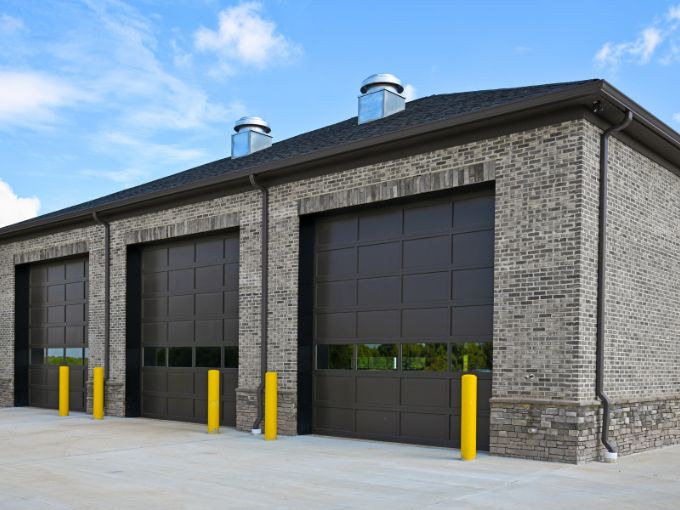
Why Commercial Garage Doors Wear Out Faster
Commercial doors carry more weight, cycle more often, and operate in tougher conditions than most residential systems. They deal with repeated opening and closing, equipment movement nearby, vibration, and higher daily demand.
We often see wear build gradually in rollers, bearings, tracks, springs, mounting points, and operators. The system may keep running for a while, but it starts compensating for that wear. Once that balance breaks down, the door may stall, bind, or stop moving altogether.
In busy Greer commercial areas, including properties tied to freight movement and service operations, even a small drop in door performance can create delays that compound throughout the day.
Schedule Your garage Door Service Today
At Greer Garage Doors, we provide straightforward, dependable garage door service for homeowners and local businesses throughout Greer and the surrounding Upstate. Whether you need a quick repair, a full replacement, or help with an opener that will not cooperate, our experienced crew shows up ready to fix the problem the right way.
What We Evaluate When a Commercial Door Is Not Working Properly

Whether the door itself is still carrying the load correctly
Commercial doors carry more weight, cycle more often, and operate in tougher conditions than most residential systems. They deal with repeated opening and closing, equipment movement nearby, vibration, and higher daily demand.

How wear is spreading through high cycle components
We often see wear build gradually in rollers, bearings, tracks, springs, mounting points, and operators. The system may keep running for a while, but it starts compensating for that wear. Once that balance breaks down, the door may stall, bind, or stop moving altogether.

Whether the system is being forced to compensate
Operators often appear to be the problem, but they are usually reacting to mechanical resistance elsewhere. Tracks may begin carrying load instead of guiding movement, and hardware that should move freely starts binding. Once that happens, the system is no longer working as a balanced unit. Identifying where the strain begins helps determine whether the door can be repaired or if replacement makes more sense.
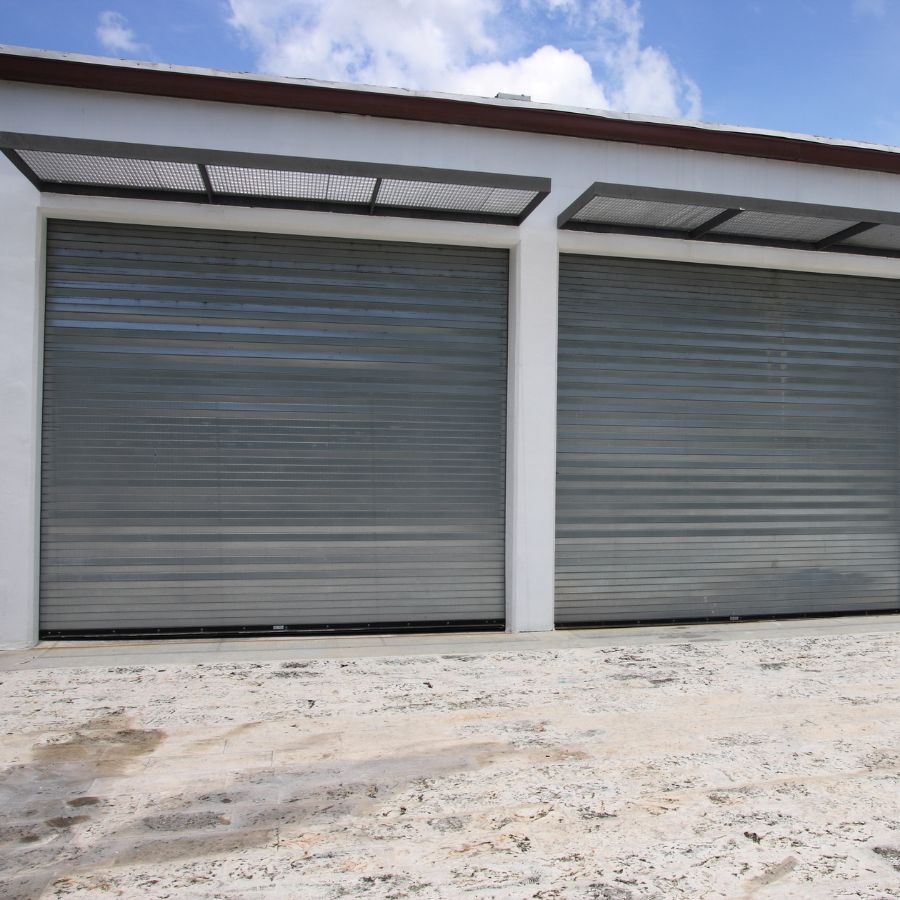
Why Safety Matters With Commercial Garage Doors
Commercial garage doors operate around vehicles, equipment, staff, and active work areas. When a door starts moving unpredictably, the safety risk increases quickly.
A door that hesitates, binds, or drops unevenly can create hazards for people and property. Springs hold significant tension, tracks carry the load, and operators react to mechanical strain. When one part starts failing, the rest of the system can become unstable.
That is why commercial door problems should be addressed early. The goal is not just to get the door moving again. It is to restore safe, dependable operation before the issue creates a larger liability.
How Small Problems Turn Into Costly Downtime
Commercial door failures rarely stay isolated. A worn roller increases friction. Track resistance builds. The operator works harder to keep the door moving. That added strain spreads to other parts of the system.
We regularly see this after a series of short-term fixes meant to keep operations moving. The door still works, but each cycle adds more wear. Hardware loosens, alignment shifts, and the system loses tolerance for error. Eventually the door stops at the wrong time, often when access, delivery schedules, or security depend on it most.
For businesses in and around Greer, including facilities connected to logistics and industrial traffic near Inland Port Greer, that downtime can cost more than addressing the original issue early.
When business owners decide it cannot wait
Most commercial service calls happen after a door finally disrupts operations. A door gets stuck open overnight. A delivery backs up because the bay will not clear. Staff raise safety concerns, or an inspection flags the door as a liability.
Once a commercial door reaches that point, it rarely returns to normal without proper repair. Systems that have been compensating for wear or imbalance eventually reach a failure point.
We often see doors that struggled for months suddenly stop moving altogether. At that stage, the priority shifts from convenience to restoring access, safety, and daily operations.
Common Questions About Commercial Garage Door Service
Do Not Wait Until the Door Stops Completely
Commercial garage doors are part of daily operations. When they stop working, access slows down, security is affected, and the workday gets harder than it should be.
If your commercial garage door is moving slower, sounding different, stopping mid-cycle, or no longer operating the way it should, Greer Garage Doors can help you address the problem before it turns into a larger repair or a bigger disruption.