
Garage Door Weather Stripping in greer, sc
Worn garage door seals allow air, moisture, dust, and pests to enter the garage. Greer Garage Doors replaces damaged bottom seals and perimeter weather stripping to restore a tight barrier around the door.
When You Can See Daylight Around the Garage Door
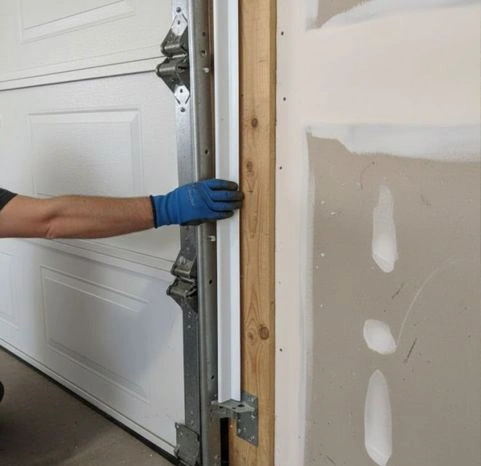
When a garage door is closed and daylight is still visible around the edges, the issue is usually worn weather stripping rather than the door itself. Over time, seals harden, shrink, crack, or pull away from the frame after years of exposure.
Sometimes the first sign is a cold draft. Other times it shows up as water on the floor after a storm or signs of pests near the corners of the garage.
In Greer, humidity, heat, and pollen wear down rubber and vinyl seals faster than many homeowners expect. Once weather stripping begins to fail, it rarely improves on its own and usually needs replacement to restore a tight seal.
Why Weather Stripping Breaks Down Over Time
Garage door weather seals are designed to stay flexible while being compressed thousands of times a year.
Over time, sunlight breaks down the material. Heat bakes it against the concrete. Moisture causes it to swell, crack, or lose its shape. We usually see this most clearly at the bottom seal, where rubber loses its memory and stops sealing evenly.
In older homes near Greer Station, uneven concrete makes the problem more noticeable. In newer neighborhoods along Highway 14, the seals may look intact but no longer press tightly enough to block airflow. Either way, the barrier is compromised long before it completely falls apart.
Schedule Your garage Door Service Today
At Greer Garage Doors, we provide straightforward, dependable garage door service for homeowners and local businesses throughout Greer and the surrounding Upstate. Whether you need a quick repair, a full replacement, or help with an opener that will not cooperate, our experienced crew shows up ready to fix the problem the right way.
What We Inspect When Seals Stop Doing Their Job

Bottom seal and retainer condition
A healthy bottom seal stays flexible and fills the gap between the door and the floor. When it hardens or shrinks, gaps form at the corners. We often see retainers that are corroded or loose, which prevents a new seal from sitting correctly if the track itself isn’t addressed.

Perimeter and header seals
Side and top seals take constant sun exposure. Warping or cracking allows wind and rain to push past the door face. In townhome communities like O’Neal Village, where garages connect directly to living space, this loss of insulation becomes noticeable quickly.

Floor contact and drainage
Uneven driveways and settling concrete create inconsistent contact points. In most garages, the next failure point is where water repeatedly pools and saturates the seal. Without correction, rot and staining follow.
The Early Signs Your Garage Door Seals Are Failing
Failing weather seals rarely announce themselves right away.
More often, the signs are easy to dismiss. A slight draft near the floor. A faint whistling sound when the wind picks up. Leaves, pollen, or fine debris showing up just inside the garage after a storm. We usually see these clues long before homeowners realize the seal itself is no longer doing its job.
This is one of those problems that looks minor until moisture becomes a regular presence. Once water and humidity start getting into the garage, corrosion begins spreading to springs, rollers, and hinges.
What starts as worn rubber around the door slowly turns into a hardware issue that affects how the entire system operates.
How Failed Seals Lead to Moisture, Rust, and Faster Hardware Wear
Weather stripping often gets overlooked because the door still moves the way it should.
From the outside, everything appears fine. But once seals start breaking down, moisture begins finding its way into places it was never meant to reach. That dampness speeds up rust on springs, hinges, and rollers and increases friction every time the door cycles.
In areas near Suber Road, where spring pollen and red clay dust are especially heavy, failed seals also let abrasive debris into the tracks. That grit settles into rollers and bearings, wearing them down faster and making the door louder and harder to move. What starts as a simple seal issue gradually spreads into mechanical wear across the entire system.
Serving Neighborhoods and Subdivisions Throughout Greer, South Carolina
Greer Garage Doors works throughout Greer, serving established neighborhoods, newer subdivisions, and growing residential areas across the city. From historic parts of town to master-planned communities and family neighborhoods near schools and parks, we’re familiar with how garage doors are built, used, and maintained in different parts of Greer.
When Seal Replacement Becomes the Best Fix
Most homeowners reach out once the effects of worn seals start interfering with everyday use of the garage.
Water shows up after storms. Pests find gaps along the bottom or sides of the door. Rooms next to the garage begin feeling drafty or harder to keep comfortable. In colder stretches, the bottom seal may freeze to the driveway, tearing or pulling loose the moment the door tries to open.
By the time those issues appear, the sealing material has usually hardened, cracked, or lost its flexibility. At that point, it is no longer forming a consistent barrier along the door’s edge. Replacing the seals restores that protection, keeps moisture and debris out, and helps stop small exposure problems from turning into corrosion, flooring damage, or ongoing temperature control issues inside the home.
Faq About Garage Door Weather Stripping in Greer, SC
Fix the Gaps Around Your Garage Door
Worn weather stripping allows air, moisture, dust, and pests to enter the garage. When seals harden, shrink, or pull away from the frame, the protective barrier around the door breaks down and outside conditions start affecting the space inside.
Replacing damaged bottom seals and perimeter weather stripping restores a tight barrier around the door, helping keep the garage cleaner, drier, and better protected. If you can see daylight around the door or notice drafts, water, or debris getting inside, it may be time to replace the seals.