
Garage Door Roller Replacement in Greer, sc
If your garage door is shaking, grinding, dragging, or sending vibration through the garage, worn rollers are often the reason. Greer Garage Doors provides roller replacement service in Greer, restoring smooth door movement and reducing strain on the rest of the system.
When Noise and Vibration Start Traveling Through the Garage
When a garage door starts getting louder, rougher, or less predictable, the problem is often inside the tracks. We usually see this when rollers begin to seize, flatten, crack, or stop spinning freely after years of daily use.
At first, it sounds like noise. Then the door starts dragging, shaking, or hesitating during travel. In many Greer homes, where the garage is used as the main entry, that wear shows up sooner than people expect. Once a roller stops moving correctly, it rarely fixes itself.
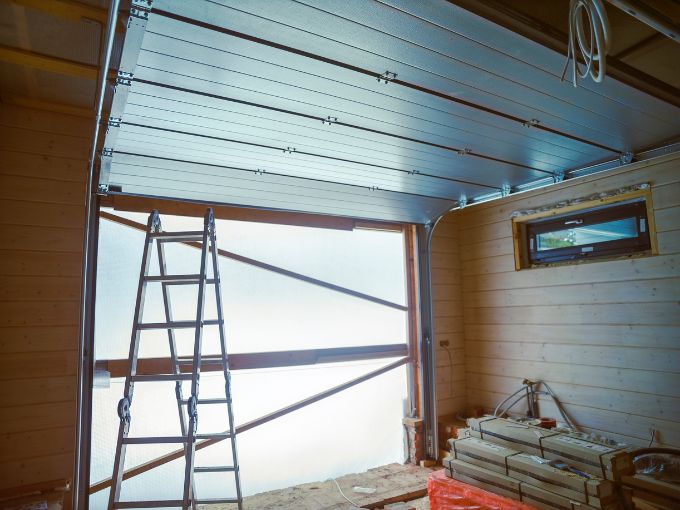
Why Rollers Stop Rolling and Start Dragging
Rollers Are Designed To Carry Weight While Moving Smoothly Through the Track
Over time, the bearings inside the rollers wear down, lose lubrication, or begin to fail. Plastic rollers crack. Steel stems rust. Once that happens, the roller stops gliding and starts dragging through the track instead.
We often see the worst wear in the curved section of the track where the door changes direction. That is where the rollers take some of the most repeated stress. Once roller movement breaks down, vibration increases quickly and the rest of the system starts feeling the strain.
Schedule Your garage Door Service Today
At Greer Garage Doors, we provide straightforward, dependable garage door service for homeowners and local businesses throughout Greer and the surrounding Upstate. Whether you need a quick repair, a full replacement, or help with an opener that will not cooperate, our experienced crew shows up ready to fix the problem the right way.
What We Inspect When Replacing Garage Door Rollers

Roller condition and bearing movement
A healthy roller spins freely and quietly. When bearings seize or break down, the roller becomes a brake instead of a guide. We often find rollers that still look intact but no longer rotate at all.

Track wear and alignment
Roller failure and track wear usually go together. Once rollers begin sliding instead of rolling, the track starts taking damage. Bent edges, grooves, and alignment issues often show that the rollers have been struggling for some time.

Hinge stress and door stability
When rollers bind, the hinges holding them begin absorbing extra force. We often find cracked hinges, loose fasteners, or elongated mounting holes after vibration has been present long enough.

The Early Signs Rollers Are No Longer Moving Freely
Roller Problems Almost Never Start With a Full Breakdown
In most cases, the door still opens and closes, but the motion is no longer smooth. It may hesitate partway up, shake near the top of travel, or feel rough as it moves through certain sections of the track.
We usually see this when rollers have stopped spinning and started sliding instead. As that happens, resistance builds, black dust or fine metal shavings begin collecting in the rails, and the door starts dragging rather than rolling.
That is often the stage when the problem is still fixable before it spreads deeper into the system.
How Continued Operation Spreads Wear Across the System
When Rollers Stop Moving Freely, the Whole Door Feels It
Once rollers seize or drag, the opener is no longer guiding a balanced system. It begins pulling against friction. Because the door still moves, many homeowners keep using it, assuming the issue can wait.
That extra strain spreads quickly. The opener works harder, hinges absorb more shock, hardware loosens, and track alignment begins drifting. What started as one worn roller can turn into wider system wear if the door keeps cycling under load.
Serving Neighborhoods and Subdivisions Throughout Greer, South Carolina
Greer Garage Doors works throughout Greer, serving established neighborhoods, newer subdivisions, and growing residential areas across the city. From historic parts of town to master-planned communities and family neighborhoods near schools and parks, we’re familiar with how garage doors are built, used, and maintained in different parts of Greer.

When Roller Wear Reaches the Point of No Return
Most homeowners call once the noise becomes constant or the door starts catching during normal movement. Sometimes a roller begins wobbling in the hinge, sits at an angle in the track, or works loose entirely.
Those are usually signs the rollers are already past their usable life. At that point, continued operation only adds more wear to hinges, tracks, and the opener. Replacing the rollers restores smoother travel and reduces strain across the rest of the system.
Common Questions About Garage Door Roller Replacement in Greer, SC
Restore Smooth, Stable Garage Door Movement
Garage door roller replacement helps the door move the way it should, smoothly, evenly, and without the drag that causes noise and vibration. When rollers spin freely and stay aligned in the track, the whole system works with less strain.
If your garage door is grinding, shaking, dragging, or becoming less predictable, now is the time to have it inspected before the wear spreads further.